Showing posts with label Food. Show all posts

Friday, November 21, 2008

Vitamin C


Vitamin C is of utmost importance to guinea pigs, as they are unable to manufacture their own (much like humans). Without enough vitamin C in their diets, guinea pigs can become very ill with scurvy. The amount of vitamin C required varies somewhat depending on the reference source used, but most guinea pigs probably need about 10-30 mg/day. Pregnant, nursing, young and ill guinea pigs need more.
If you feed a good selection of vegetables high in vitamin C along with a good, fresh guinea pig pellet, you can probably meet the vitamin C needs of the average guinea pig. Many guinea pig pellets have vitamin C added but unfortunately vitamin C is quite unstable and will degrade over time. Keeping the pellets in a cool dark place helps preserve the vitamin C. You can also get pellets with a stabilized form of vitamin C. The best way to supplement with additional vitamin C is to use vitamin C tablets. You can buy vitamin C tablets specifically for guinea pigs (e.g. Oxbow's GTN-50C), or buy human chewable 100 mg tablets (note: make sure you are getting just vitamin C rather than a multivitamin formula). A quarter of a 100 mg tablet daily is a recommended dose for most adult guinea pigs. The guinea pig tablets are 50 mg, but since vitamin C is a water soluble vitamin, small excesses over that daily requirement are easily excreted. Many guinea pigs will take the tablets like a treat and eat them, or they can be crushed and sprinkled on vegetables or pellets.


Source: About.Com

Thursday, November 20, 2008


Like humans, but unlike most other mammals, guinea pigs cannot synthesize their own vitamin C and must obtain this vital nutrient from food. If guinea pigs do not ingest enough vitamin C, they can suffer from potentially fatal scurvy. Guinea pigs require about 10 mg (0.15 gr) of vitamin C daily (20 mg (0.31 gr) if pregnant), which can be obtained through fresh, raw fruits and vegetables (such as apple, cabbage, carrot, celery, and spinach) or through dietary supplements. Healthy diets for guinea pigs require a complex balance of calcium, magnesium, phosphorus, potassium, and hydrogen ions; adequate amounts of vitamins E, A, and D are also necessary. Imbalanced diets have been associated with muscular dystrophy, metastatic calcification, difficulties with pregnancy, vitamin deficiencies, and teeth problems. Some sources also suggest that guinea pigs are especially susceptible to gall and kidney stones, making it important to limit calcium intake in their diet. This may involve limiting or eliminating multi-vitamin supplements and calcium-rich foods (like commercially-produced yogurt drops, spinach or very high proportions of alfalfa). Guinea pigs tend to be fickle eaters when it comes to fresh fruits and vegetables, having learned early in life what is and is not appropriate to consume, and their habits are difficult to change after maturity. They do not respond well to sudden changes in diet; they may stop eating and starve rather than accepting new food types. A constant supply of hay or other food is generally recommended, as guinea pigs feed continuously and may develop habits such as chewing on their own hair if food is not present. Because guinea pigs' teeth grow constantly, they routinely gnaw, lest their teeth become too large for their mouth, a common problem in rodents. Guinea pigs will also chew on cloth, paper, plastic, and rubber.

Source: Wikipedia


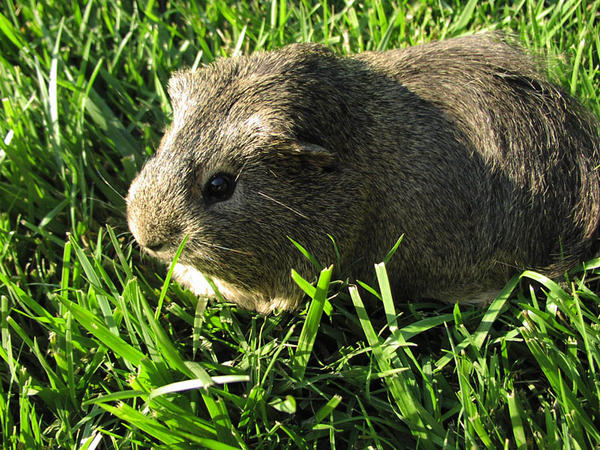
Grass is the guinea pig's natural diet. Their molars are particularly suited for grinding plant matter, and grow continuously throughout the animal's life. Most grass-eating mammals are quite large and have a long digestive tract; while guinea pigs have much longer colons than most rodents, they must also supplement their diet by coprophagy, the eating of their own feces. However, they do not consume all their feces indiscriminately, but produce special soft pellets, called cecotropes, which recycle B vitamins, fiber, and bacteria required for proper digestion. The cecotropes (or caecal pellets) are eaten directly from the anus, unless the guinea pig is pregnant or obese. They share this behaviour with rabbits. In older boars (the condition is rarer in young ones), the muscles which allow the softer pellets to be expelled from the anus for consumption can become weak. This creates a condition known as anal impaction, which prevents the boar from redigesting cecotropes, though harder pellets may pass through the impacted mass. The condition may be temporarily alleviated by carefully expelling the impacted feces.
Guinea pigs benefit from feeding on fresh grass hay, such as timothy hay, in addition to food pellets which are often based from timothy. Alfalfa is also a popular food choice; most guinea pigs will eat large amounts of alfalfa when offered it,[76] though there exists some controversy over the feeding of alfalfa to adult guinea pigs. Some pet owners and veterinary organizations have advised that, as a legume rather than a grass hay, alfalfa consumed in large amounts may lead to obesity, as well as bladder stones due to excess calcium, in any but pregnant and very young guinea pigs. However, published scientific sources mention alfalfa as a source for replenishment of protein, amino acids and fiber.


Source: Wikpedia

What do people really feed their guinea pigs? It's different for everyone and depends on what is in season, whether you are interested in foraging for greens, and what you think is good for your guinea pig, not to mention what your pig is willing to eat. Every pig is different: some have medical conditions requiring special diets. A few pigs don't like cabbage or cilantro. Others hate tomatoes (a staple in my home). Who knows what will turn your pig's head? Whatever you offer your cavies, introduce foods slowly, offer a variety, and be sure to provide unlimited high quality hay and plain pellets.


Source: Guinea Lynx

Wednesday, November 19, 2008

Favorite Foods for Guinea Pigs!


My Favortie Foods:

Timothy Hay!

Vegetables:
--- Broccoli leaves
--- Cabbage
--- Corn
--- Parsley
--- Letuce

Fruits:
--- Apple,
--- Apricot
--- Banana
--- Blueberries
--- Cantaloupe
--- Grapes or Raisins
--- Orange
--- Strawberries
--- Watermelon